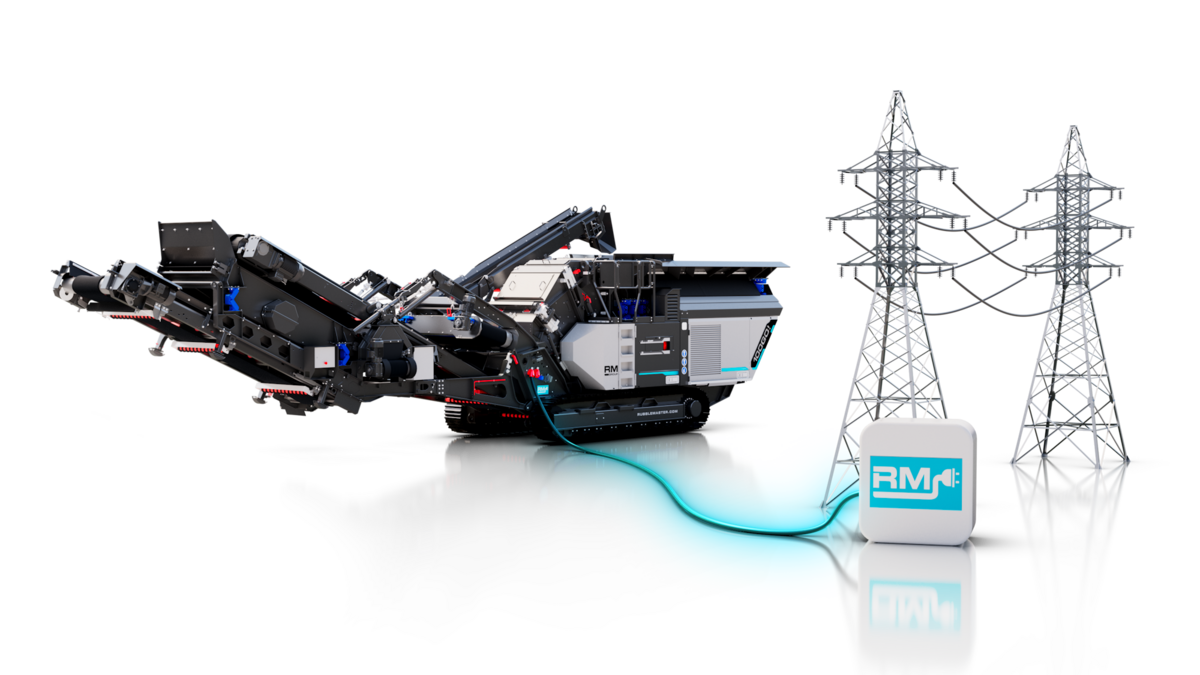
Operating a hybrid or fully electric RUBBLE MASTER impact crusher from a 400V industrial grid connection can lower energy costs by up to 50% compared to diesel‑hydraulic crushing—using infrastructure you already have.
Plug In. Crush Electric. Save Up to 50%.
Operating a hybrid or fully electric RUBBLE MASTER impact crusher from a 400V industrial grid connection can lower energy costs by up to 50% compared to diesel‑hydraulic crushing—using infrastructure you already have.
When Fuel Prices Rise, Margins Fall
Fuel costs have always influenced crushing economics—but never like today. Ongoing geopolitical conflicts, supply chain disruptions, and energy security concerns have driven diesel prices to historically volatile levels, putting pressure on contractors, recyclers, and aggregate producers worldwide. What was once a manageable operating cost has become a major business risk. At the same time, electricity prices—especially industrial grid power—remain more stable, predictable, and often significantly cheaper per operating hour. This is where RUBBLE MASTER’s electric and hybrid crushing solutions change the equation.
Every crushing contractor knows the truth: Fuel and maintenance costs directly affect profitability.
Traditional diesel‑hydraulic crushing plants:
Burn more fuel than necessary
Require hundreds of liters of hydraulic oil
Generate excess heat, accelerating wear
Lose energy through multiple conversion steps
In times of high fuel prices—amplified by global conflicts—these inefficiencies quickly erode margins.
Many quarries and gravel pits already operate a 400V industrial grid power —installed years ago to supply a stationary crushing or screening plant. That infrastructure delivers reliable industrial electricity every day.
Yet despite having grid power available on site, many operations still run mobile impact crushers purely on diesel.
In today’s energy market, that choice has become expensive.
For quarries, gravel pits, and recycling yards with grid access, the question is no longer “Can I run electric?” It’s “Why am I still burning diesel?”
Fact: Grid‑Powered Crushing Can Reduce Energy Costs by Up to 50%
If a quarry operates an impact crusher from the grid, energy costs can be reduced by up to 50% compared to a diesel-hydraulic impact crusher plant.
This is not a marketing claim—it is a direct result of:
Higher drivetrain efficiency
Fewer energy conversions
Lower auxiliary losses
Reduced hydraulic oil dependency
Electricity simply delivers more usable power per euro than diesel in continuous crushing operations.
See below an example producer with 100,000 tons of material per year and an average capacity of 140 ton / hour.
Why Diesel‑Hydraulic Crushing Is So Energy‑Intensive
Traditional diesel‑hydraulic impact crushers rely on a complex chain of energy conversions: Diesel engine → hydraulic pump → hydraulic motors → mechanical output
Each conversion step creates energy losses and heat that must be cooled.
Diesel‑hydraulic plants also require:
400–700 liters of hydraulic oil
Large cooling systems
Frequent service intervals
When fuel prices rise, these inefficiencies immediately appear in the cost per ton.
How Electric and Hybrid Crushers Change the Equation
Electric drive systems eliminate unnecessary energy conversion. Electric energy transfer has marginal losses and even diesel-electric plants burn up to 30% less fuel compared to diesel-hydraulic impact crusher plants. Wires deliver electric power directly to critical consumers, such as the rotor and conveyors. This results in higher overall system efficiency, less heat generation, and consitant performance regarless of ambient temperature or system age.
Hybrid Crushers: The Ideal Solution for Quarries, Gravel Pits, and Recycle Yards with Grid Access
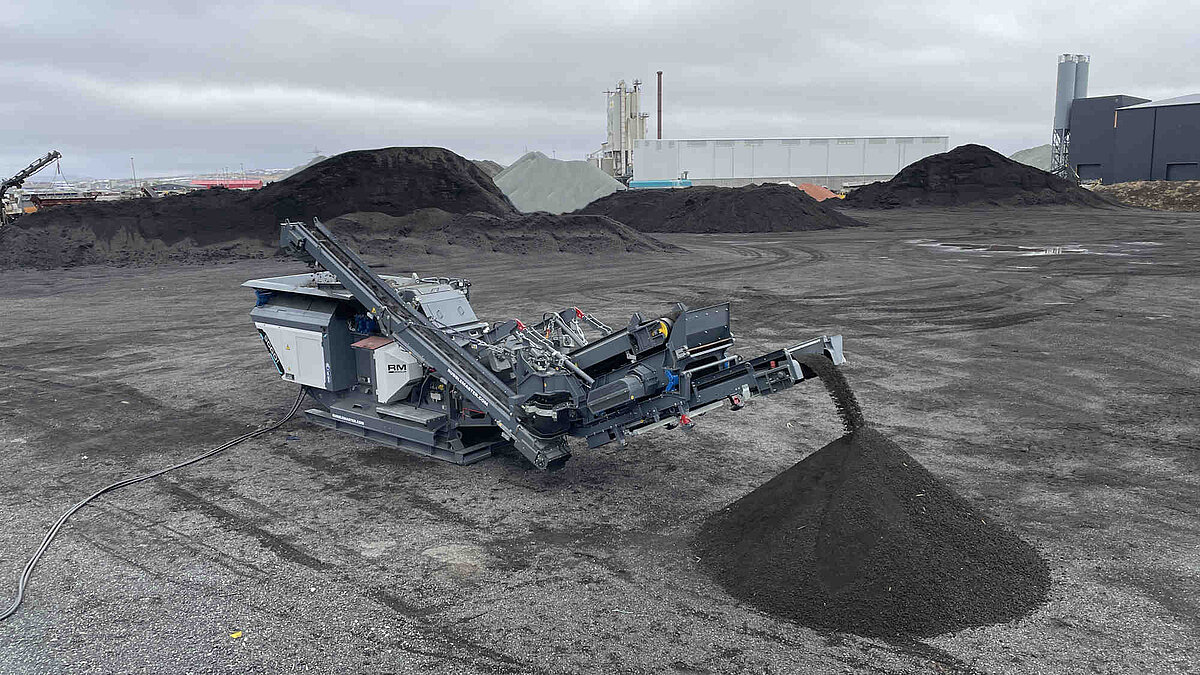
RUBBLE MASTER hybrid impact crushers are designed for exactly this scenario. If your quarry, gravel-pit, or recycling yard has a 400V power line: a hybrid RUBBLE MASTER crusher can be plugged directly into the grid and operated electrically at the crushing location.
When operating from the grid, diesel consumption drops to zero, engine wear is reduced, no engine-related noise emissions, and energy costs are significantly reduced. When relocation is required, the crusher remains mobile and can be powered by the onboard diesel engine. The result: maximum flexibility with minimum operating cost.
Full‑Electric Crushing Plants: Lowest Cost per Ton
For permanently installed or long‑term crushing positions, fully electric impact crushers provide the highest economic benefit.
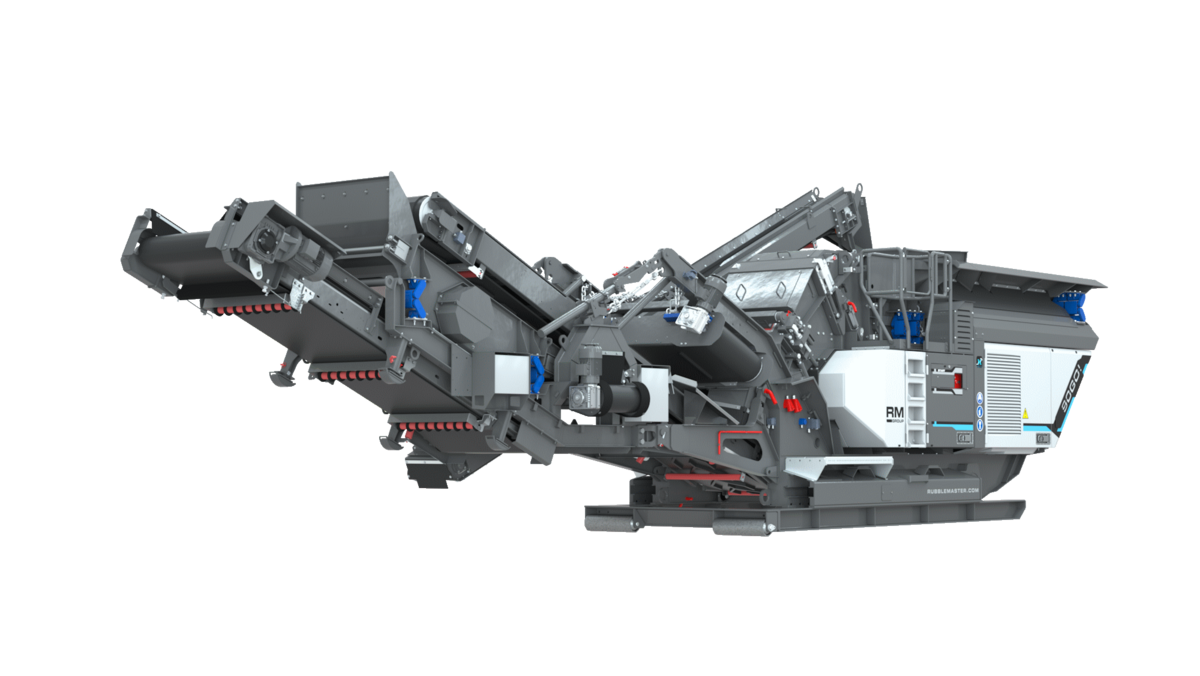
RUBBLE MASTER electric impact crushers such as the RM 70GO!E, RM 90XE, and the RM 100XE have no diesel-engine.
This means
No fuel consumption
No engine maintenance
No after-treatment headaches
Operation directly from a 400V / 50Hz grid connection
This makes full‑electric crushing one of the most effective tools for stabilizing production costs in uncertain energy markets when mobility is not required.
The Invisible Profit Killer: Hydraulic Oil
Hydraulic oil is often overlooked—but it’s expensive. Traditional hydraulic machines require 400-700 liters of oil, regular changes, and a large cooling system to mitigate the heat losses. In today’s market, hydraulic oil prices have risen alongside fuel costs.
RUBBLE MASTER electric machines use minimal hydraulic oil for auxiliary functions only. That means less downtime, lower service costs, fewer environmental risks.
Thinking About Going Electric?
If you have access to a 400V industrial grid power, you already have a competitive advantage. Talk to your RUBBLE MASTER expert and calculate your savings.