Why Asphalt Causes Problems in Cones
Asphalt is heat‑ and pressure‑sensitive. Under compression, it tends to pancake instead of fracture, leading to:
- Gums up in between jaw dies
- Chamber buildup on cone arms
- Head lift and spinning if build-up occurs on the cone arms
- Bridging and blocking of the cone with oversized pieces
Most operators agree it works only reliably in cold conditions—around 20°F / −5°C or lower.
Work-Arounds to Make it Work (somehow)
Crews who run asphalt successfully with jaw and cone follow strict rules:
- Run the jaw as tight as possible and keep it fully choke‑fed
- Run the jaw in reverse.
- Break slabs in the pile before feeding to avoid oversize slabs to fall through the jaw gap
- Open the cone CSS and avoid choke feed
- Use water to cool sticky material
- Clean inside the cone daily to prevent buildup on arms and head
- Screen fines and dirt before the cone
Steel Management Is Critical
Steel is one of the biggest risks in a cone:
- Use magnets on jaw discharge
- Add a metal detector before the cone to shut the plant down
- Never allow rebar or wire into the cone—damage happens fast
Many operators run two magnets before the cone for safety.
Bottom Line: It Works Barely
While some operators make jaw–cone circuits work for RAP, the majority agree:
- Cones and asphalt don’t mix well
- Warm weather makes everything worse
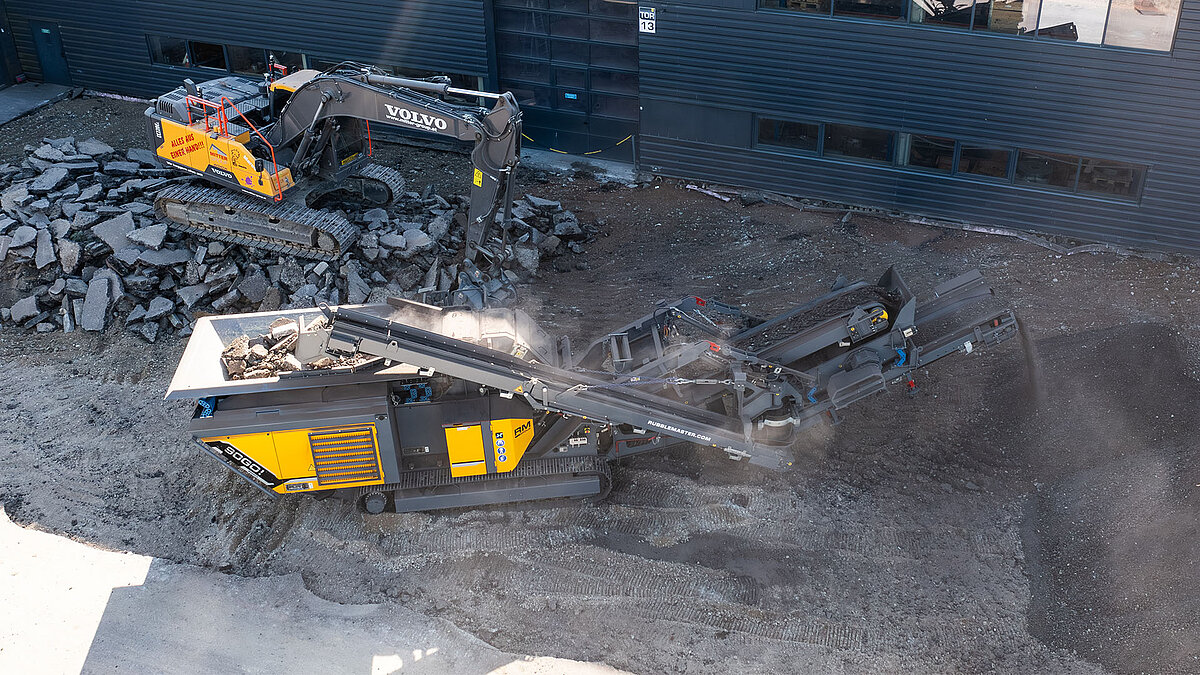
- A Horizontal Shaft Impactor (HSI) is far more efficient and forgiving
If your cone is plugging while crushing asphalt, you’re not doing anything wrong—you’re fighting the material. Jaw–cone setups can work in cold weather with tight control and constant attention, but if uptime, simplicity, and productivity matter, asphalt is an impactor application first.