Winter Is Tough on Crushers—and Your Production
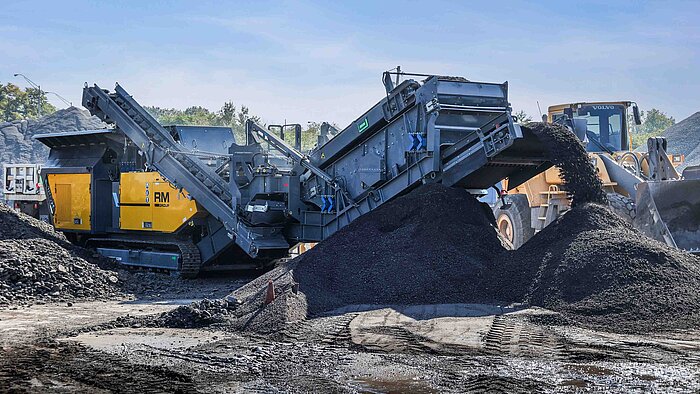
You’ve got deadlines to meet and projects to finish—even when temperatures drop below freezing. But crushing in winter isn’t easy. Short days, snow, ice, and bitter cold make operating a mobile crusher harder on you and your equipment.
If you don’t adapt your operation for winter, you risk costly downtime, missed production targets, and frustrated crews.
At RUBBLE MASTER, we know what it takes to keep crushing all year long. Many businesses no longer shut down for winter—they keep producing material for projects or stockpiling for spring. With the right winter maintenance plan, you can minimize hassle and maximize production.
Your Winter Crushing Plan
Follow these practical steps to keep your mobile crusher running at its best—even in harsh conditions.
1. Remove Material From Your Conveyors Before You Go Home
Wet, sticky material freezes overnight, causing start-up problems. Jammed belts, plugged chutes, and frozen screens can delay your day. Therefore, remove material from the conveyor and ensure your conveyor belts are free from debris. If the conveyor belts freeze to the sealing, you are forced to deice them with a heat cannon or similar tools. Also, ensure any fines that have built up under the crusher and may freeze to the conveyor belt are removed.
✅ Extra Winter Hack: Apply salt or anti-freeze to the sealing and railing at the crusher outlet.
2. Empty the Hopper and Pre-Screen
Frozen obstructions in the hopper are tough to remove. Fines in the pre-screen can turn into solid ice blocks, causing extra wear inside the crusher.
✅ Extra Winter Hack: use a blinding plate for your pre-screen to prevent ice build-up inside the bypass chute.
3. Warm Up Before Crushing
Starting with a cold engine risks damage. Let your machine idle so fluids reach operating temperature. Operating a crusher with a diesel-electric drive mitigates the need for heating up hydraulic fluids.
✅ Tip: Use the right hydraulic oil for extreme conditions. RUBBLE MASTER offers special options for cold climates.
4. Use Engine Block and Hydraulic Tank Heaters
Heaters prevent fluid freezing and reduce idle time—saving fuel and money. Most major engine brands allow retrofitting.
5. Put Timber Beams Underneath the Undercarriage
If you want to move the crusher the next day, ensure it is on timber beams to isolate the steel tracks from the frozen ground. Steel tracks may freeze to the ground, immobilizing your crusher. This forces you to wait for warmer temperatures.
6. Block the Crusher Housing Open (Impact Crushers Only)
The lid of the impact crushing chamber may freeze to the sub-frame, making it difficult to open the crusher housing in the morning for routine checks. Wedge a piece of wood between the lid and the sub-frame so that the crusher housing doesn't close completely. This ensures you can easily open the crusher the next day.
✅ Special Tips for RUBBLE MASTER operators: Before shutting down, activate the release system a few times to loosen any frozen debris around the crusher outlet. This reduces the risk of damage and makes your next start-up smoother.