Skip to content
Main menu

Trommel Screen vs. Scalping Screen: How to Choose the Right Screener

Choosing between a trommel screen and a scalping screen isn't as simple as saying one is for soil and the other is for rock.

There is considerable overlap.

A trommel screen is particularly well suited for soil, compost, wood waste, and organic material applications. A scalping screen is designed to handle demanding applications such as aggregates, sand and gravel, recycling, and C&D waste, but it can screen topsoil effectively too. The difference comes down to the material, moisture, finished product, desired product sizes, and how much application versatility your business needs.

So, which one should you choose?
This guide compares trommel screens and scalping screens across five factors: material type, finished product, moisture, screen media, and versatility.


Trommel Screen vs. Scalping Screen: Quick Answer

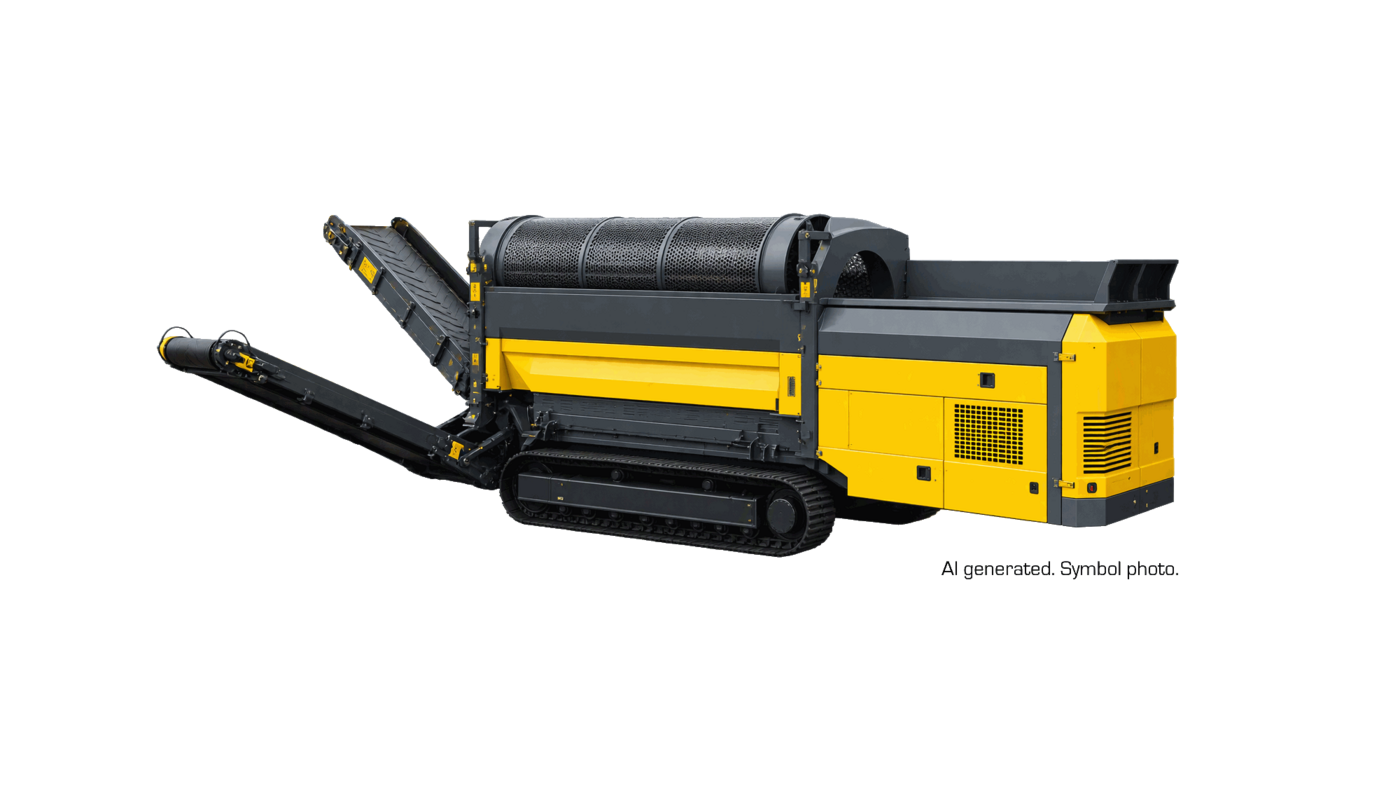
Trommel Screen Choose a trommel screen when soil, compost, wood waste, or other organic materials make up the core of your business, particularly when moisture or finished soil quality matters.
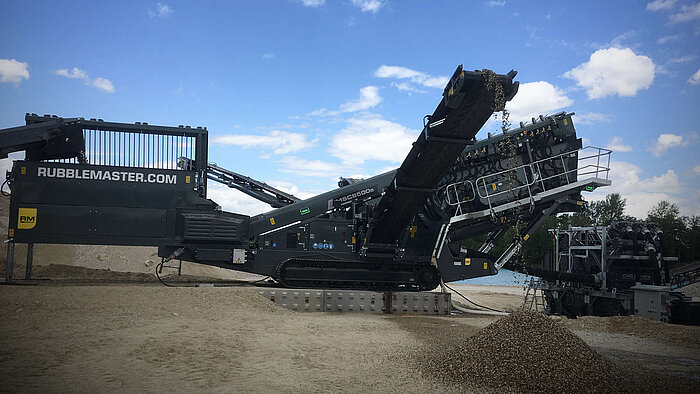
RM HS7500M mobile scalper Scalping Screen Choose a scalping screen when: you need one machine to handle a wider variety of materials such as rock, sand, gravel, recycled concrete, C&D waste, and topsoil, or when you need greater flexibility in sizing and product splits.

How Does a Trommel Screen Work?

A trommel screen separates material as it moves through a rotating drum. The rotation continuously tumbles the feed while smaller material passes through the screen openings.

Trommel screens are especially well suited to:

  • Topsoil
  • Compost
  • Wood waste
  • Mulch
  • Organic material
  • Wet or difficult soil

That does not mean trommels are limited to organic material. Their core strength, however, is the tumbling action. It continuously exposes material to the screening surface while also aerating it.

That can be particularly valuable for soil and compost producers.

How Does a Scalping Screen Work?

A scalping screen, sometimes called a vibrating screener or direct feed screen, uses one or more vibrating decks rather than a rotating drum.

Material travels across the screen deck. Smaller particles fall through the screen openings while oversized material travels across the surface toward its discharge conveyor.

Scalping screens are commonly suited to:

  • Topsoil
  • Sand and gravel
  • Crushed rock
  • Quarry material
  • Recycled concrete
  • Asphalt
  • C&D waste
  • Mixed recycling applications

The important point is that scalping screens are not only aggregate screens.

What Material Will You Screen Most Often?

Start with your primary feed material.

Trommel screens are particularly suited to:

  • Topsoil
  • Compost
  • Mulch
  • Wood waste
  • Green waste
  • Organic materials

Scalping screens are particularly suited to:

  • Rock
  • Sand
  • Gravel
  • Crushed aggregate
  • Recycled concrete
  • Asphalt
  • C&D waste

What about topsoil?

Both can screen topsoil. That's exactly why topsoil is one of the best applications for understanding the difference between the two technologies. 

If soil and organic products account for most of your production, the trommel deserves a close look.

If you need to screen that topsoil today but crushed concrete, gravel, or demolition material tomorrow, the greater application flexibility of a scalping screen becomes much more valuable.

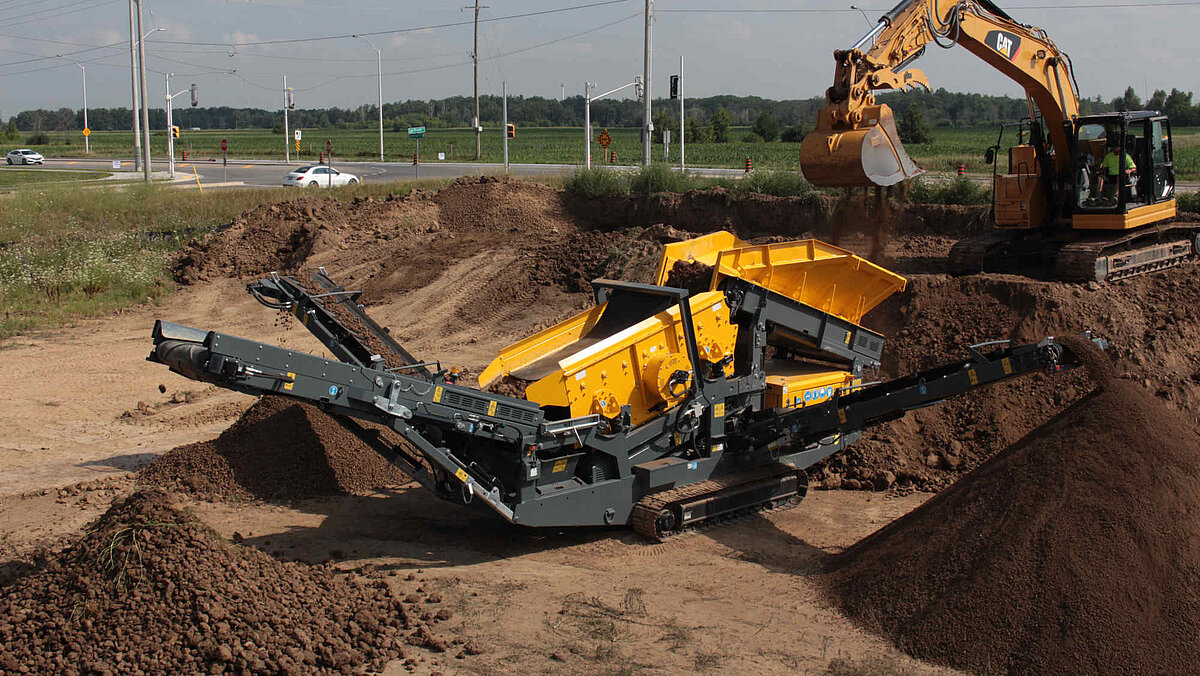
Screening topsoil with a mobile topsoil screen

What Finished Product Are You Trying to Make?

The feed material tells only half the story.

You also need to consider what comes off the discharge conveyor.

Premium Topsoil

Imagine an operation producing premium screened topsoil.

Product texture and consistency matter because the finished soil itself is the commodity product.

The tumbling action of a trommel continuously turns and aerates soil as it moves through the drum. Each drum revolution lifts and aerates the material. 

That can make a trommel particularly attractive when soil quality is at the center of the business.


Aggregates and Multiple Products

Now consider an aggregate or recycling operation.

The operator may want several products from the same feed, such as:

  • Fines
  • Mid-size product
  • Oversize

Here, a 2-deck scalping screen can be advantageous. Mobile scalping screens are capable of producing multiple final products by changing out the screen media.


But can a trommel produce multiple fractions?

Yes. Conventional trommels are often configured for undersize and oversize separation, but that isn't a universal limitation of the technology. Double-drum machines also exist that can create additional fractions.

How Wet and Sticky Is the Material?

This is one of the most important differences between a trommel screen and a scalping screen.


Trommel Screens and Wet Material

Higher moisture generally plays to the strengths of the trommel.

As the drum rotates, material continues rolling instead of remaining on a flat screening surface. That makes trommels particularly useful with soils, compost, and other materials prone to sticking.

But there is a limit.

Extremely wet soil can begin sticking together and forming balls as it tumbles. In other words: wet material doesn't automatically mean a trommel will screen perfectly.

Material behavior still matters.


Can a Scalping Screen Handle Wet Material?

Yes, but wet and sticky fines make screening more difficult.

One of the primary challenges is blinding, where material blocks the screen openings and reduces the effective screening area.

This is where screen-media selection becomes critical. There are various screen media that help mitigate some of those issues.

For example, a scalping screen can be equipped with a heavy-duty finger screen on the top deck that adds extra aggressiveness.

Stainless steel screen media also helps to minimize material buildup. 

How Much Versatility Does Your Operation Need?

This is arguably the biggest advantage of a scalping screen.

Imagine two different contractors.

Contractor A: Mixed C&D and Excavated Materials

This contractor receives variable material every day:

  • Excavated soil
  • Concrete
  • Rock
  • Sand
  • C&D debris

They need a machine capable of moving from one application to another while producing usable products.

A scalping screen's versatility is likely to be more valuable.

Contractor B: Premium Topsoil Producer

This operator has access to good loamy soil and sells premium screened topsoil.

Their goal is not necessarily to process the widest possible range of material.

Their goal is to produce their highest-value product as effectively as possible.

A trommel screen may therefore be the better investment.

This leads to a more useful purchasing question:

Which material generates the most profit for your business?

Choose the machine around that product first.

Versatility matters, but only if you need it.

Trommel Screen vs. Scalping Screen: Side-by-Side Comparison

FactorTrommel ScreenScalping Screen
SoilExcellentExcellent
CompostExcellentApplication dependent
Wood wasteStrongApplication dependent
Wet/sticky materialGenerally strongerMore challenging; media matters
Sand & gravelCapableExcellent
Rock & aggregateCapable in some applicationsExcellent
Recycled concreteApplication dependentExcellent
C&D wasteCapableExcellent
Premium topsoilStrong advantageCapable
Multiple applicationsMore specializedHighly versatile
Screen-media optionsDrum configuration determines cutBroad range of deck media
Product fractionsTypically oversize/undersizeMultiple-deck configurations can enable additional fractions
Scalping Screens Discover all models
 
Screen-box
Screen-decks
Weight (no options)
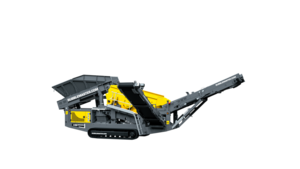
RM HS3500M Scalping Screen RM HS3500M
Mobile Scalping Screen
2,743 x 1,220 mm 4 x 9 ft
2 2
16,500 kg 36,400 lbs
learn more
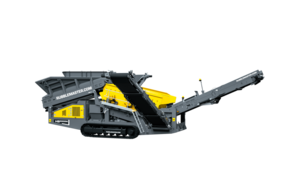
RM HS5000M Mobile Scalper RM HS5000M
Mobile Scalping Screen
3,660 x 1,420 mm 5 x 12 ft
2 2
25,700 kg 56,700 lbs
learn more
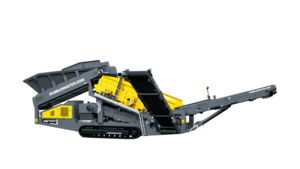
RM HS7500M mobile scalper RM HS7500M
Mobile Scalping Screen
4,880 x 1,525 mm 5 x 16 ft
2 2
30,400 kg 67,100 lbs
learn more