Skip to content
Main menu

Slag Processing: How voestalpine Optimized Its Process Before Investing

Your goal isn't to buy a screening plant—it's to produce more valuable material. See how voestalpine partnered with RUBBLE MASTER to validate its slag-processing setup before investing, achieving a better outcome with less risk.


Unlike many conventional aggregates, slag can be porous, brittle, and highly variable. A process that works on paper may fail when exposed to real-world conditions. Machine settings that perform well with one batch may deliver completely different results with another. That uncertainty makes every investment decision feel like a gamble.

For voestalpine, one of Europe's leading steel producers, the challenge was clear. The existing steel slag processing operation was not delivering the quality required to maximize value. The company needed a new approach that would improve product quality for the cement and stone wool industries while integrating seamlessly into existing plant infrastructure.

The question was simple:

How do you improve your slag recycling process with confidence when there is no previous experience to rely on?


Processing Slag is not Your Everyday Application

Many companies make equipment decisions based on brochures, technical specifications, or theoretical calculations.


But slag processing is rarely that simple.


A poorly matched setup can lead to:

  • Lower recovery of valuable material
  • Inconsistent product quality
  • Higher operating costs
  • Expensive process modifications after installation
  • Lost profitability

For voestalpine, the objective was not simply to buy a new screening plant. They needed certainty that the entire process would work exactly as intended before making a capital investment.

The RUBBLE MASTER Rental Fleet Helped Get the Process Right

Instead of recommending equipment and hoping for the best or selling whatever is on the lot, RUBBLE MASTER focused on helping voestalpine validate the process first.

Through one of Austria's largest rental fleets of mobile crushing and screening equipment, voestalpine was able to test multiple slag processing configurations using its own material under actual operating conditions. This changed everything. Rather than relying on assumptions, the team could see real results. Rather than speculating about performance, they could measure it. Rather than taking investment risks, they could eliminate them.

As Ludwig Birklbauer, Process Manager at voestalpine's Recycling Center, explains:

“A decisive success factor was the opportunity to test the new processing process in real operation beforehand. Together with the experts from RUBBLE MASTER, we were able to evaluate different setups and optimize the process. This collaborative approach was essential for us.”

Testing Lead to Maximizing the Recovery Value and Profitability

Working closely with RUBBLE MASTER's material processing specialists, voestalpine tested different machine combinations and refined the process step by step. The objective was not simply to select a screening plant, but to develop a complete slag processing solution that would maximize valuable product recovery and profitability.

The final setup consists of:

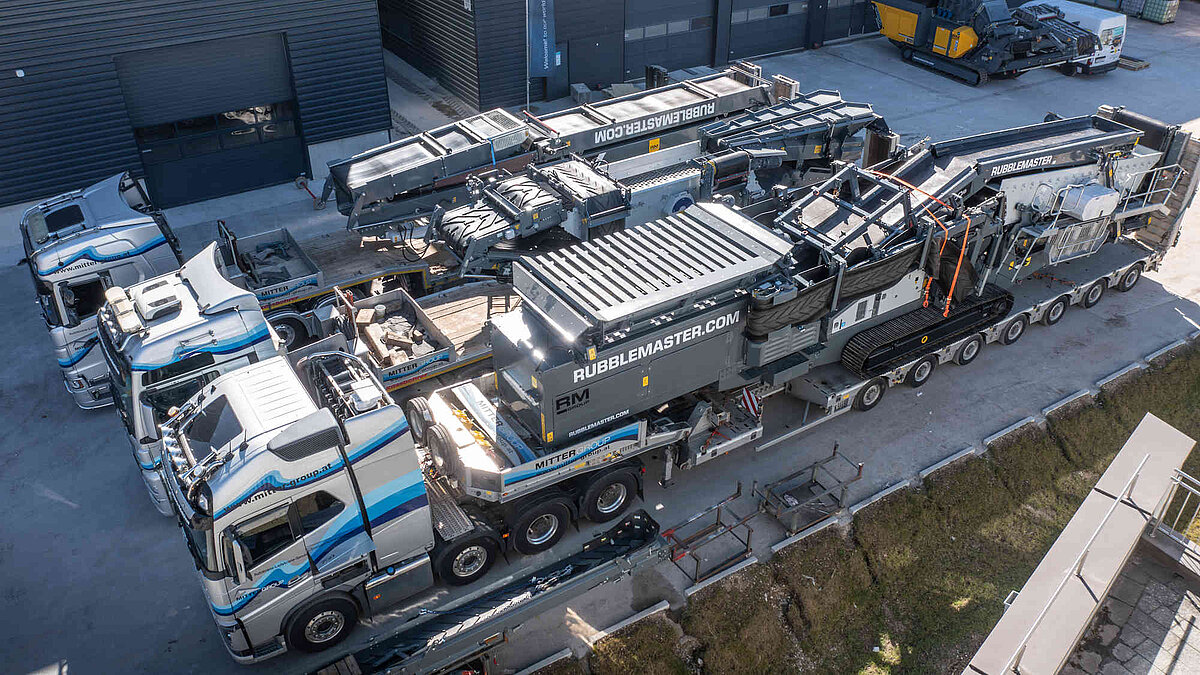
RM H50X Hybrid Scalping Screen

The electric H50X separates the coarse 63–150 mm (2½" - 6") fraction and ensures efficient handling of larger material sizes within the process.

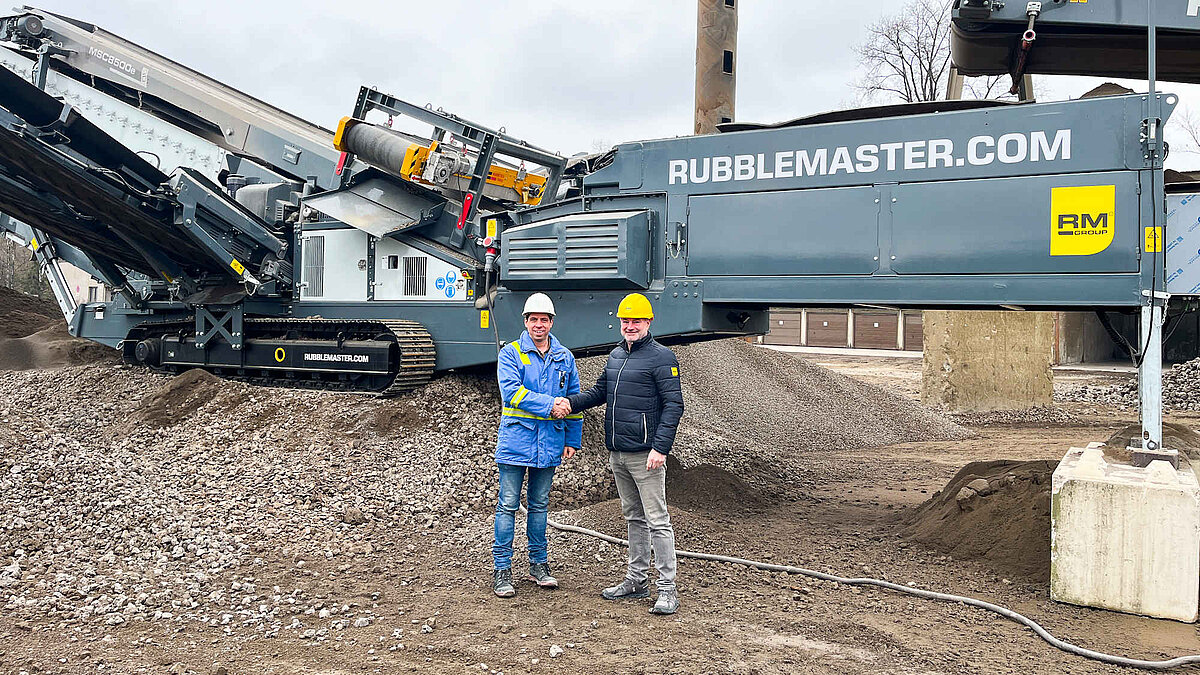
RM MSC8500e Hybrid Incline Screen

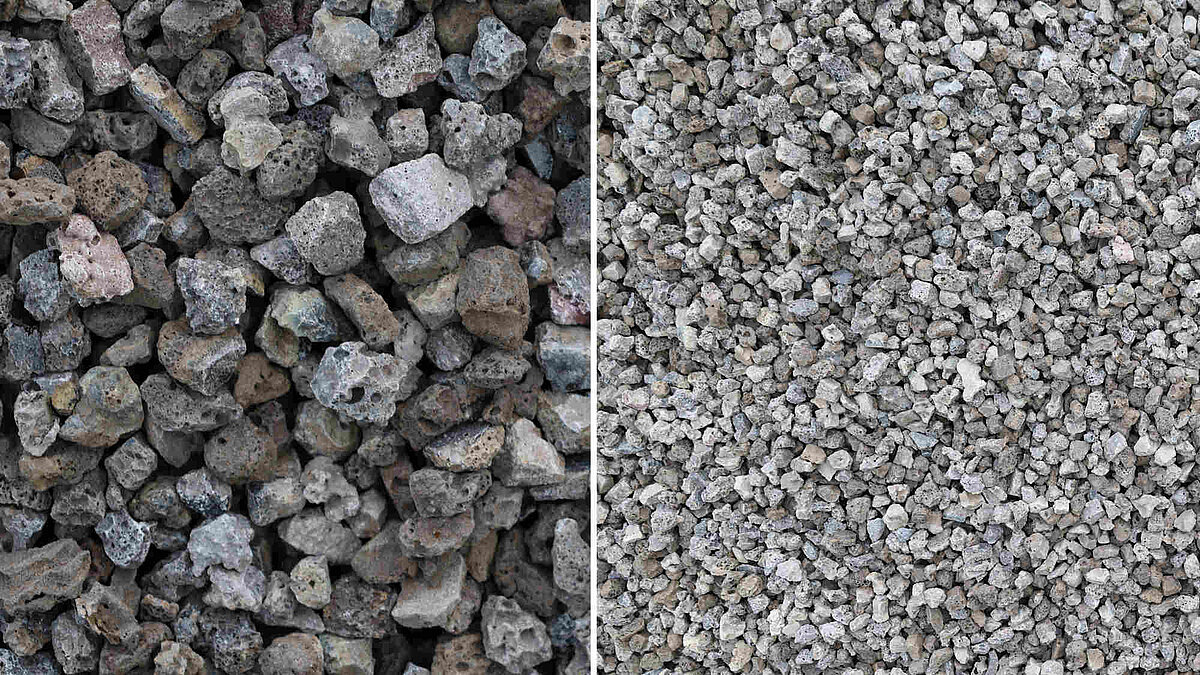
The electric RM MSC8500e classifies the 0–63 (2½"-) mm material into commercial fractions:

  • 0/8 mm (3/8"-)
  • 8/20 mm (3/8" - ¾")
  • 20/60 mm (¾" - 2 ½")

This configuration delivers a slag-processing setup precisely tailored to the material while integrating seamlessly with the existing plant infrastructure. In addition, an overband magnetic separator over the feed conveyor on the RM MSC8500e incline screen removes fine ferrous particles from the material stream.


Added Bonus: Electric Drives Provide Operational Flexibility

A key advantage of the installed system is flexibility. Both machines can operate either electrically, using the existing grid power, or independently via the on-board diesel engine. This enables voestalpine to benefit from additional cost savings when operating close to the steel mill while still enjoying the freedom to go anywhere and tackle more jobs.

Beyond operational benefits, the electrified screening setup contributes to voestalpine's ongoing sustainability goals. The electric H50X and RM MSC8500e help reduce the environmental footprint of the slag-processing operation by lowering CO₂ emissions and noise levels. When powered by the grid, both plants achieve zero local emissions, supporting a more sustainable and future-ready approach to slag processing.

In Specialty Applications, Proper Trials Can Make the Difference between a Successful Project and an Expensive Mistake

Many companies view rental equipment as a temporary solution to meet short-term production demands. However, this project demonstrates another significant advantage: process development.

By testing mobile crushing and screening equipment with actual material before investing, operators can evaluate performance, identify bottlenecks, and optimize the entire material flow. This approach provides valuable data and dramatically reduces uncertainty when making capital investment decisions.

For slag processing operations, where material characteristics can vary considerably, process validation can be the difference between a successful project and an expensive mistake.

Looking to Improve Your Slag Processing Operation?

Whether you're processing blast furnace slag, steel slag, or other industrial by-products, the most successful operations begin with a validated process.

Testing equipment under real operating conditions allows you to optimize material recovery, improve product quality, and make investment decisions with confidence.

RUBBLE MASTER helps companies develop, test, and optimize slag processing solutions that deliver results from day one.