1. Jaw Crushers Are Engineered to Run Choke Fed
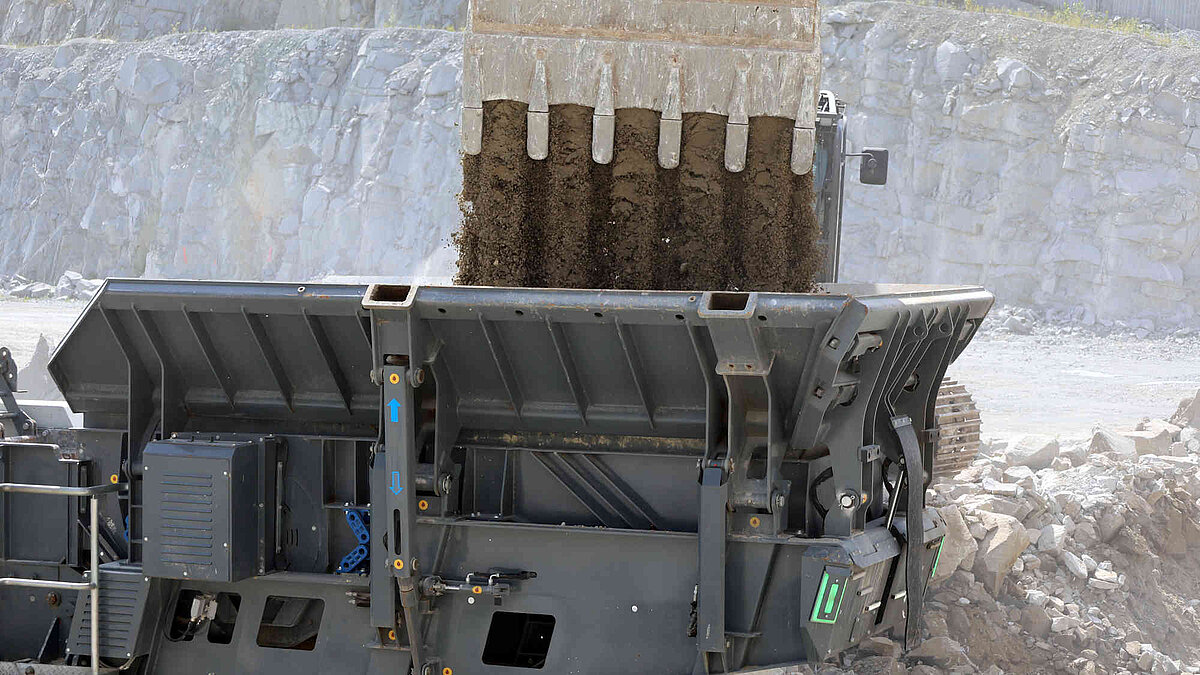
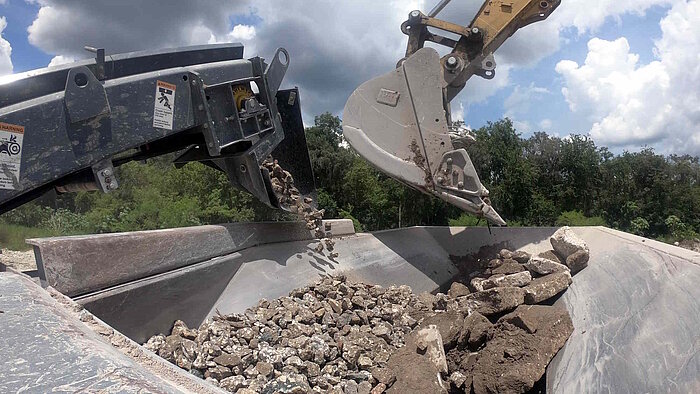
A jaw crusher works best when the crushing chamber is full.
When choke fed:
- Crushing forces are distributed evenly across the entire jaw face
- Material is crushed rock-on-rock, not just rock-on-steel
- The machine operates in its optimal mechanical range
When you trickle feed:
- Crushing happens mainly at the bottom of the chamber
- The jaw does not fully engage material across its length
- Forces become uneven and concentrated
In short: a half-empty jaw is an unhappy jaw.
2. Trickle Feeding Causes Uneven Wear on Jaw Dies
One of the fastest ways to waste money on wear parts is inconsistent feeding.
With trickle feeding:
- Jaw dies wear at the bottom, not throughout, leaving the centre of the jaw unused
- One side of the chamber works harder than the other
- You only get 50–60% of the usable life out of liners
With choke feeding:
- Wear is uniform across the jaw plates
- Liners last longer
- Replacement intervals are predictable
Uneven wear doesn’t just cost money—it also leads to poor product consistency downstream.
3. Large Slabs can Drop Straight Through
This is where trickle feeding becomes dangerous—not just inefficient. When a jaw box is nearly empty, large slabs can drop straight through without proper reduction. This can cause belt damage and downstream blockages, such as bridging in a cone crusher or jamming belts on the machine.
4. Poor Product Shape and Transfer Problems
A trickle-fed jaw produces inconsistent material.
Common issues include:
- Oversized slabs passing through the crusher
- Poorly shaped material
- Transfer chute blockages
- Downstream crushers (cones or impactors) are struggling to stay choked
This creates a domino effect:
Bad feed → bad product → unstable secondary crushing → lost production
5. Lower Throughput = Higher Cost Per Ton
Some operators trickle feed to “be gentle” on the machine—especially when fuel prices are high.
But the math doesn’t support it.
When you choke feed:
- You maximize tons per hour
- Energy is used efficiently
- Cost per ton goes down
When you trickle feed:
- Throughput drops
- Fuel burn per ton increases
- You pay more to produce less
Jaw crushers make money when they’re loaded correctly.
6. Inconsistent Feed Makes the Entire Plant Unstable
Crushing is a system—not a single machine.
Trickle feeding a jaw crusher leads to:
- Fluctuating belt loads
- Difficulty keeping screens and secondary crushers full
- Constant feeder adjustments
- Operator frustration
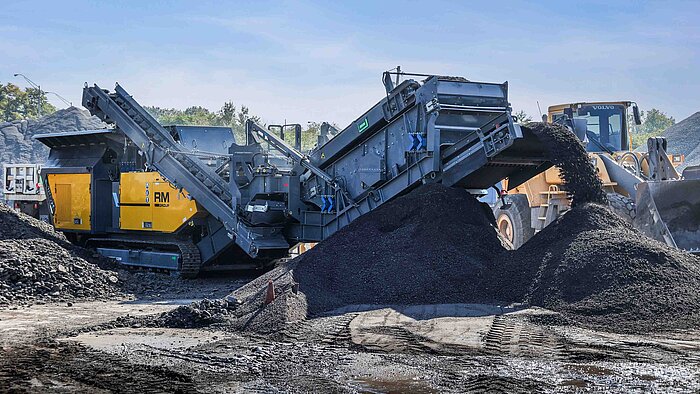
A well-fed jaw creates a stable, predictable flow through the entire plant.